
- June 17, 2026
- Posted by: Admin
- Category: Blogs
You publish a blog.
It ranks well.
Traffic starts flowing in.
And then… slowly, everything drops.
Your rankings fall, traffic declines, and your once high-performing blog almost disappears. This is not random. This is called content decay in SEO, and it happens to almost every website.
The real question is not if it will happen… but how you fix it before it affects your growth.
What is Content Decay in SEO?
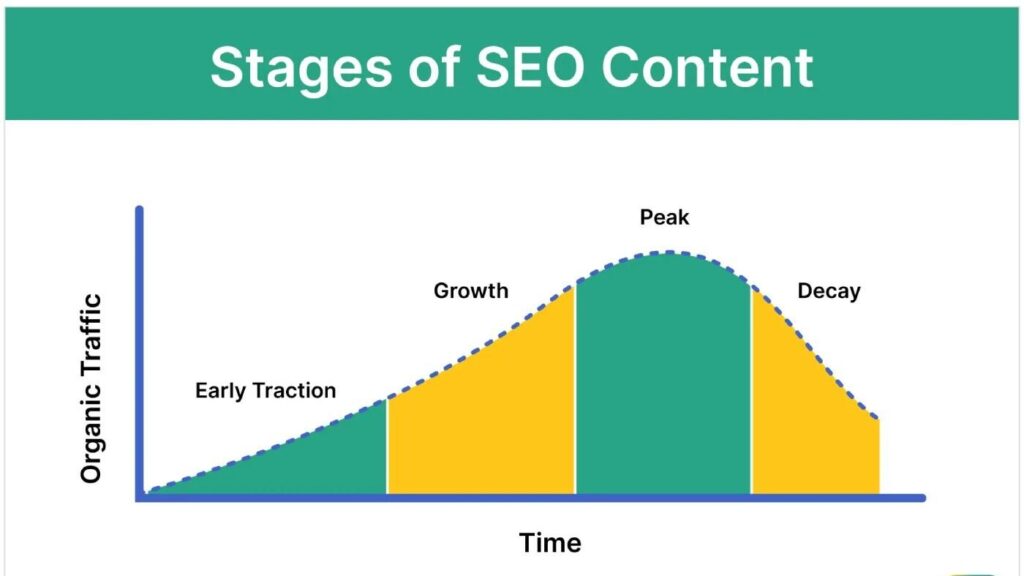
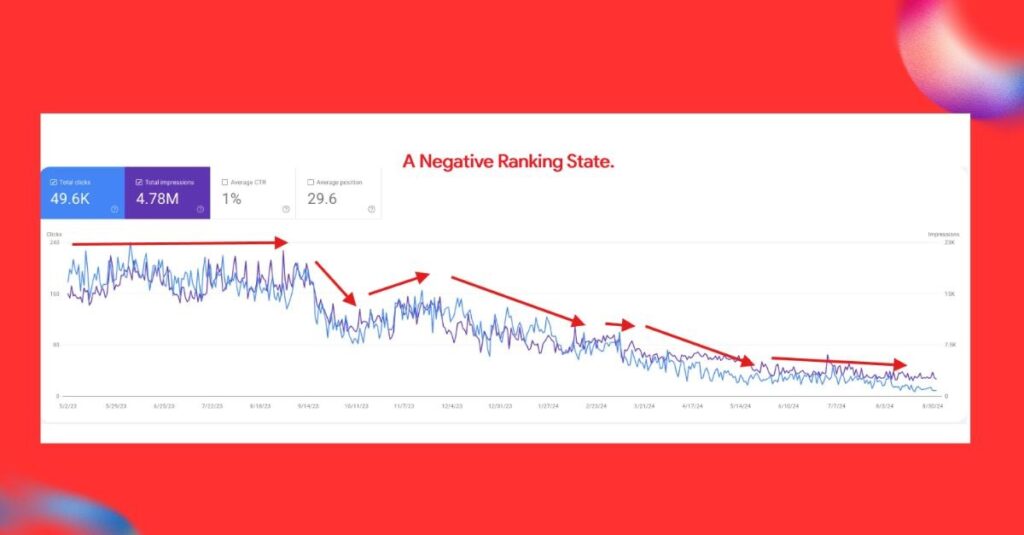
Content decay in SEO refers to the gradual decline in rankings, traffic, and engagement of a webpage over time.
Even well-written blogs can lose their position because SEO is not static. Search engines constantly update their algorithms, and new content keeps entering the competition.
Why Content Decay in SEO Happens?
1. Outdated Information Loses Relevance
Search engines prioritise fresh and updated content. If your blog contains old data, outdated examples, or irrelevant trends, it slowly loses value.
For example, a blog about “SEO trends in 2022” will naturally decline if not updated.
2. Stronger Competitors Enter the Space
SEO is competitive. Even if your content was ranking earlier, newer and more detailed blogs can outrank you.
Competitors may:
- Add better visuals
- Cover topics more deeply
- Optimise better for search intent
3. Search Intent Changes Over Time
3.1 User Expectations Evolve
What users were searching for a year ago may not be the same today. Google adapts to user behaviour, and if your content does not match current intent, rankings drop.
4. Lack of Content Updates
4.1 No Refresh Strategy
If you publish and forget, your content will decay. Regular updates signal to search engines that your content is still relevant and active.
5. Weak Internal Linking Structure
Older blogs often get buried if they are not linked properly with newer content. This reduces their visibility and authority.
Signs Your Content is Decaying
You can identify content decay in SEO through:
- Drop in organic traffic
- Decline in keyword rankings
- Lower engagement time
- Increase in bounce rate
If you notice these signs, it is time to act.
How to Fix Content Decay in SEO?
1. Update and Refresh Your Content
1.1 Add New Information
Update statistics, examples, and trends. Make your blog relevant to the current year.
1.2 Improve Readability
Break long paragraphs, add headings, and simplify language for better engagement.
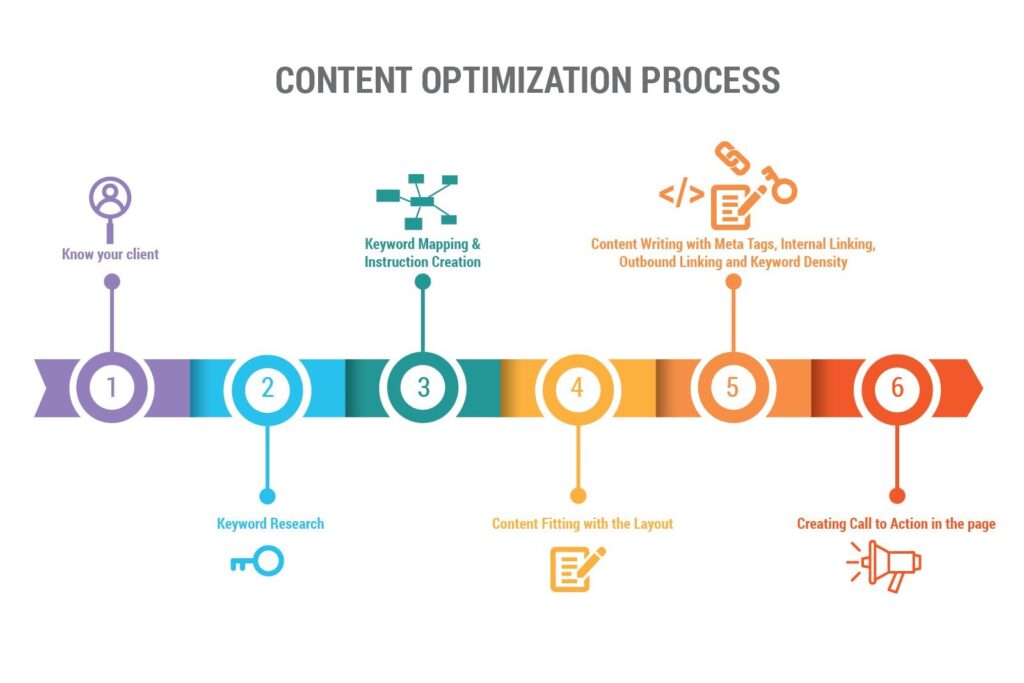
2. Optimise for New Keywords
2.1 Expand Keyword Targeting
Search trends evolve. Add new keywords that users are searching for now.
2.2 Focus on Search Intent
Ensure your content answers what users are currently looking for, not what they searched earlier.
3. Strengthen Internal Linking
3.1 Link with New Blogs
Connect old blogs with newer content to pass authority and improve visibility.
3.2 Use Relevant Anchor Text
This helps search engines understand the context of your content.
4. Add Visual Enhancements
Modern content performs better when it includes:
- Infographics
- Graphs
- Visual explanations
This improves user engagement and reduces bounce rate.
5. Re-Promote Your Updated Content
5.1 Share Again on Platforms
Once updated, promote your blog again through social media and newsletters.
5.2 Build Fresh Backlinks
New backlinks signal freshness and improve ranking potential.
A Simple Strategy to Prevent Content Decay in SEO
Instead of reacting late, follow a proactive approach:
- Audit your content every 3–6 months
- Identify declining pages
- Update and optimise regularly
- Maintain internal linking
- Keep content aligned with trends
Final Thought
Content is not a one-time effort. It is an ongoing process.
Content decay in SEO is natural, but ignoring it is a mistake.
The blogs that rank consistently are not just well-written; they are well-maintained.
If you treat your content like a living asset and keep improving it, your rankings will not just recover… they will grow stronger over time.