
- June 6, 2026
- Posted by: Admin
- Category: Blogs
SEO today is not just about rankings or getting traffic to your website. It is about understanding whether that traffic is actually helping your business grow. Many websites celebrate high visitor numbers, but when it comes to leads, enquiries, or sales, the results often fall short. That gap between traffic and results is exactly where the importance of conversion tracking in SEO becomes clear.
If you are investing time and effort into SEO, you need to know what is working and what is not. Otherwise, you are simply guessing.
What is Conversion Tracking in SEO?
Conversion tracking in SEO refers to monitoring the actions users take after visiting your website through organic search. These actions can vary depending on your business goals.
For some, it could be filling out an enquiry form. For others, it could be making a purchase, signing up for a newsletter, or even clicking on a contact button.
Tools like Google Analytics and Google Tag Manager make it possible to track these actions accurately and consistently.
Understanding the Journey from Clicks to Conversions
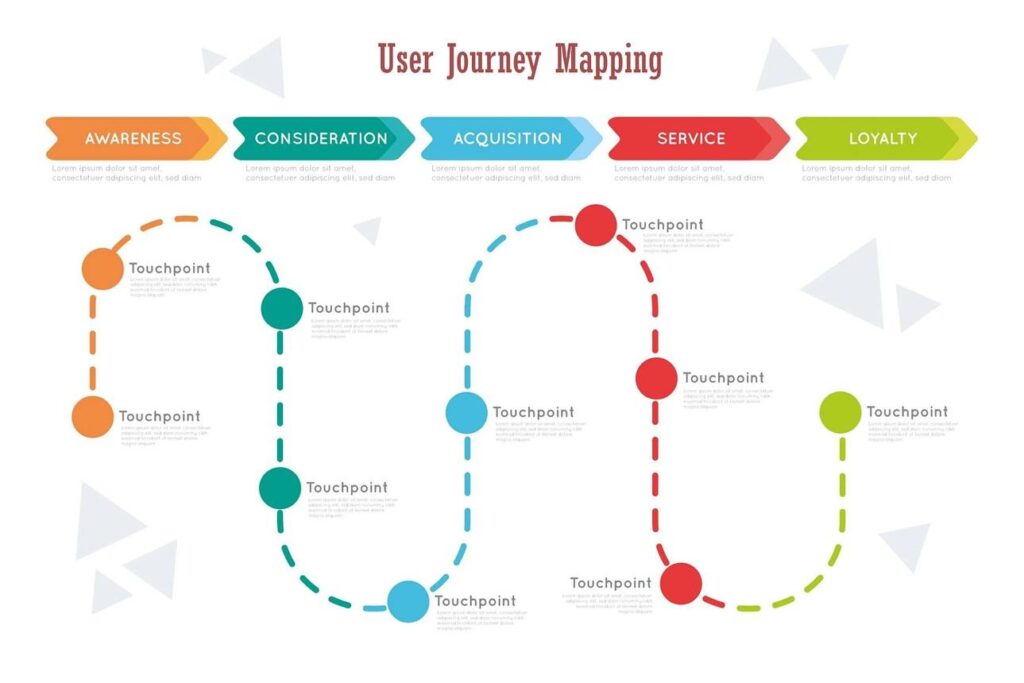
When a user searches on Google and lands on your website, that is just the beginning. What matters more is what they do next. Do they explore your services, fill out a form, or leave within seconds?
Conversion tracking helps you follow this entire journey. It connects the dots between visibility and action, helping you understand whether your SEO strategy is actually delivering value.
Why the Importance of Conversion Tracking in SEO can not Be Ignored?
1. It Turns Traffic into Meaningful Insights
Not all traffic is valuable. A page might receive thousands of visitors but generate no leads. Another page might have fewer visitors but bring in actual business.
Conversion tracking helps you:
- Identify high-performing pages
- Understand which content drives action
- Focus on quality rather than quantity
2. Helps You Identify High-Converting Keywords
Keywords are the foundation of SEO, but not all keywords contribute equally to business growth. Some bring in visitors who are just exploring, while others attract users ready to take action.
With conversion tracking, you can:
- Discover which keywords generate leads
- Optimise content around high-converting terms
- Refine your SEO strategy based on performance
This is where SEO becomes more strategic and less experimental.
3. Improves ROI and Decision Making
SEO requires consistent effort, whether it is content creation, optimisation, or link building. Without conversion tracking, it is difficult to measure the return on that effort.
By tracking conversions, you can:
- Invest more in strategies that deliver results
- Eliminate underperforming content
- Make data-driven decisions
It helps you move from assumptions to clarity.
4. Enhances User Experience
Conversion tracking is not just about numbers. It also reveals how users interact with your website.
You can understand:
- Where users drop off
- Which pages engage them the most
- What stops them from converting
This allows you to improve:
- Website design
- Content structure
- Call-to-action placement
A better user experience naturally leads to better conversions.
5. Aligns SEO with Business Goals
Many businesses focus only on rankings and traffic, but these metrics do not always translate into growth.
Conversion tracking helps align SEO efforts with real business outcomes such as:
- Lead generation
- Customer acquisition
- Revenue growth
It ensures that your SEO strategy contributes directly to your overall objectives.
A Simple Real-World Scenario
Imagine a user searches for a service and lands on your website. Now, two things can happen:
- They leave without taking any action
- They fill out a form or contact you
Without conversion tracking, both visits look the same. But in reality, one has value and the other does not.
Now scale this to hundreds or thousands of users, and you begin to see why tracking conversions is essential.
Tools That Help Track Conversions
To implement conversion tracking effectively, a combination of tools is usually required:
- Google Analytics to monitor user behaviour and conversions
- Google Tag Manager to set up tracking codes
- Google Search Console to analyse search performance
Together, these tools provide a complete picture of how your SEO efforts are performing.
What Happens Without Conversion Tracking?
Without understanding the importance of conversion tracking in SEO, businesses often face common challenges:
- High traffic but low results
- No clarity on what is working
- Wasted effort on ineffective strategies
- Poor decision making due to lack of data
In simple terms, you may be growing numbers, but not your business.
Conclusion
The importance of conversion tracking in SEO lies in its ability to transform data into direction. It tells you not just how many people are visiting your website, but how many are actually taking action.
SEO without conversion tracking is incomplete. It gives you visibility, but not clarity.
When you combine both, you create a strategy that is not only visible but also impactful.