
- March 27, 2026
- Posted by: Admin
- Category: Blogs
Introduction: Why Integrated Digital Marketing Is the Future
In today’s competitive digital space, brands are no longer fighting just for visibility; they are competing for attention, trust, and consistency. Many businesses still rely heavily on one channel, expecting it to deliver all results. Some invest only in ads for quick leads, while others depend entirely on SEO for long-term growth. The challenge with this approach is simple: it creates gaps.
This is where integrated digital marketing becomes essential. Instead of treating each channel as a separate effort, it connects them into one cohesive system. When SEO, ads, content, and social media work together, they don’t just perform individually; they strengthen each other. The result is a smoother customer journey and a stronger brand presence.
What Is Integrated Digital Marketing?
At its core, integrated digital marketing is about alignment. It ensures that every platform, every campaign, and every message is working towards the same goal. Rather than running isolated campaigns, brands create a connected experience where users move seamlessly from discovery to decision.
Imagine a user discovering your brand through a search result, clicking on your website, reading a valuable blog, and later seeing your ad on social media. This journey feels natural and consistent, and that is exactly what integration aims to achieve.
How Integrated Digital Marketing Actually Works?
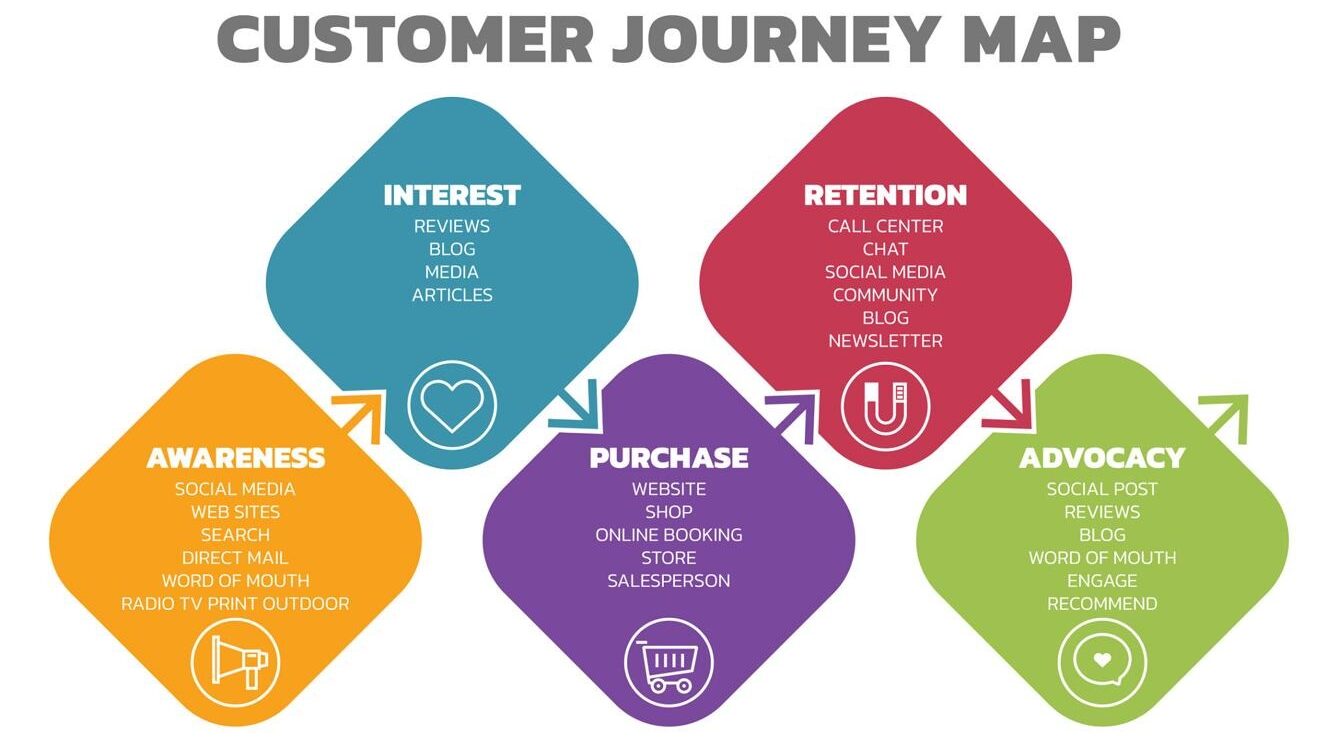
Instead of breaking this into points, let’s understand it visually:
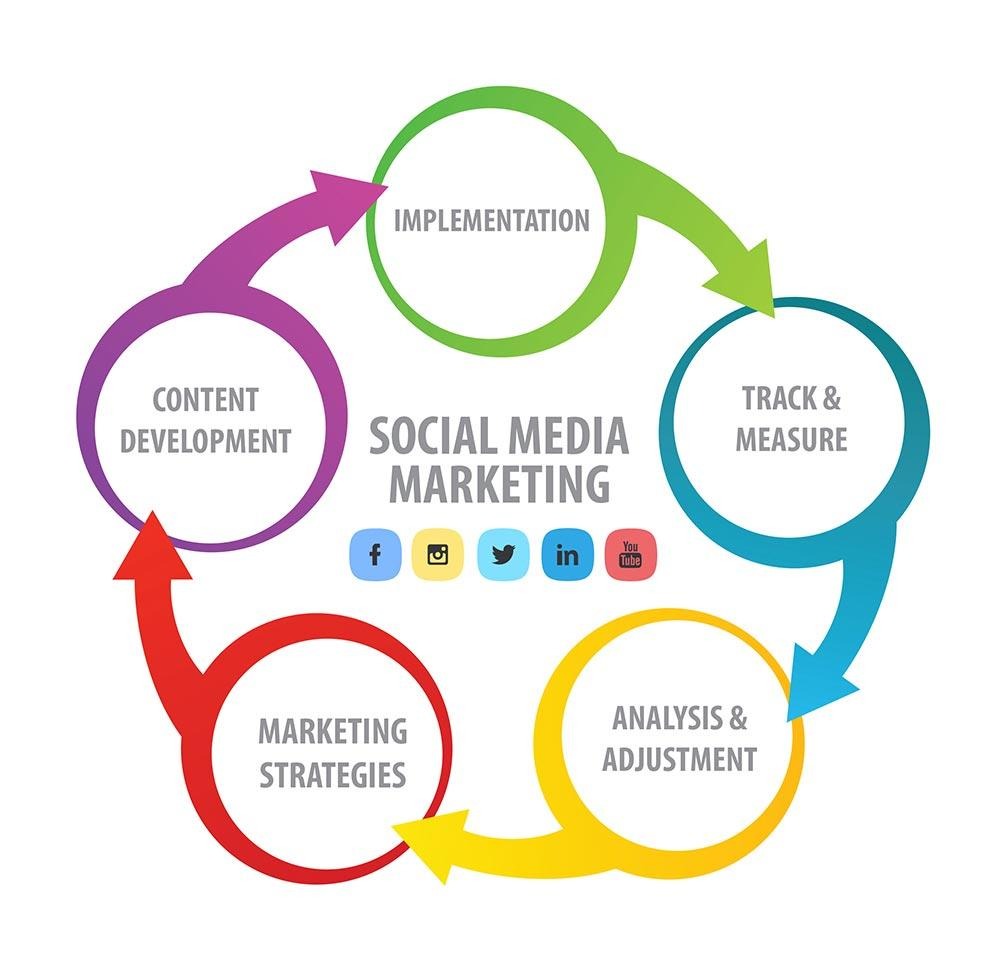
In a well-connected strategy, SEO attracts users who are searching, ads bring immediate visibility, content builds trust, and social media keeps the conversation going. None of these works in isolation. Each one feeds into the other, creating a continuous loop of engagement and conversion.
Why Integrated Digital Marketing Matters More Than Ever?
The way people interact with brands has changed. A single touchpoint is rarely enough to convert a user. Someone might first see your brand through an ad, later search for it on Google, read reviews or blogs, and then finally make a decision after engaging with your social media.
Without integrated digital marketing, this journey feels disconnected. Messages may differ, experiences may not align, and users may lose trust. But when everything is integrated, the brand feels consistent and reliable at every stage. This consistency is what drives stronger recall and better conversions.
The Role of SEO, Ads, Content, and Social Media
Each element in digital marketing plays a unique role, but its real power comes when they work together.
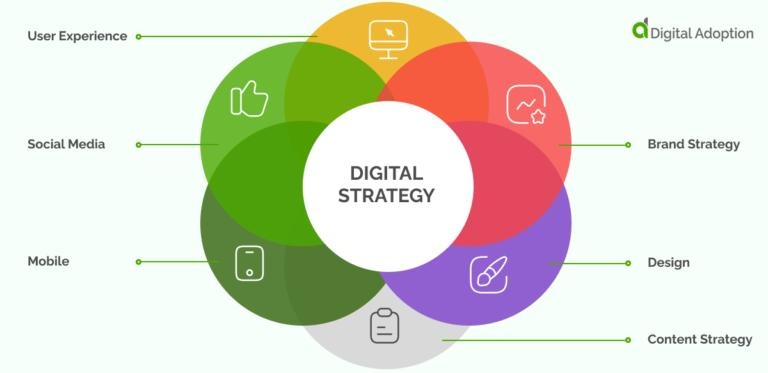
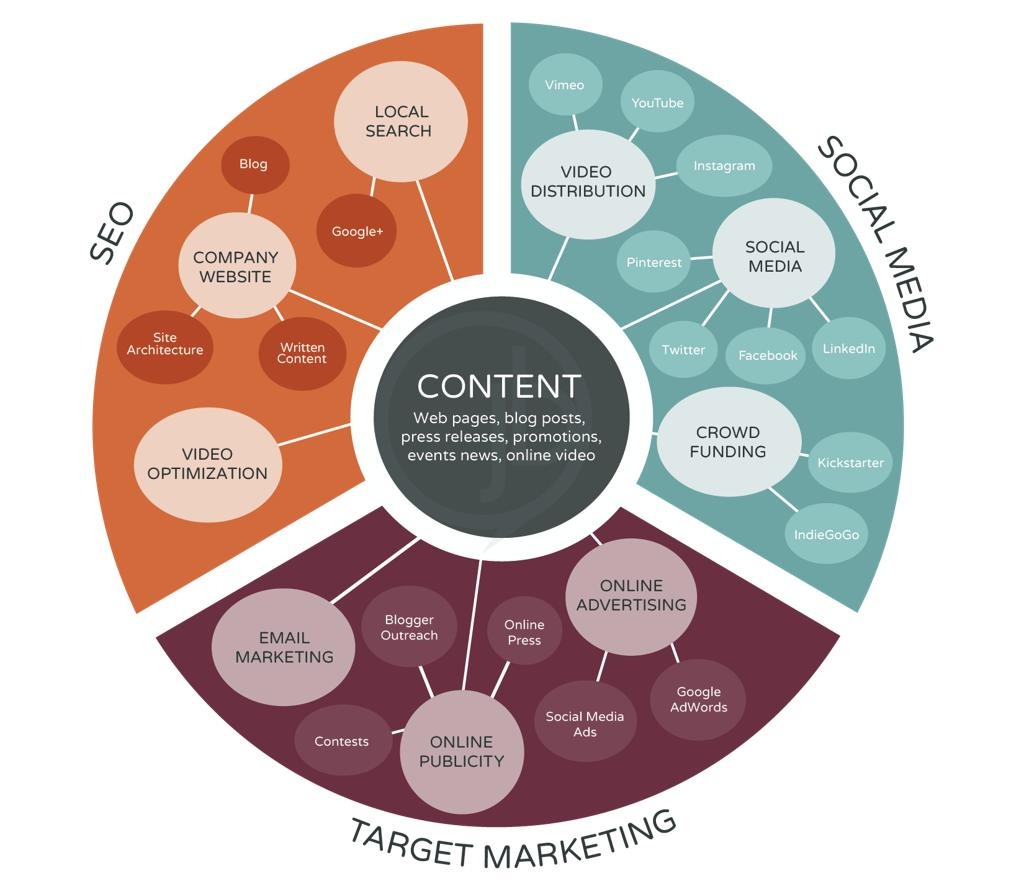
SEO focuses on visibility and long-term discovery. It ensures that your brand appears when users are actively searching. Paid advertising, on the other hand, accelerates reach and brings instant traffic, especially when time is critical.
What’s next-
Content acts as the foundation that holds everything together. Without meaningful content, neither SEO nor ads can sustain engagement. It is what answers questions, builds authority, and keeps users interested. Social media adds the human layer, turning communication into interaction and helping brands stay relevant in everyday conversations.
When these elements align under Integrated digital marketing, the journey becomes complete rather than fragmented.
How Integration Improves ROI?
One of the most noticeable benefits of integrated digital marketing is how efficiently it uses resources. Instead of creating separate strategies for each channel, integration allows one effort to support multiple outcomes.
For instance, a well-written blog can rank on search engines, be promoted through ads, and also be shared across social platforms. This multiplies its value without multiplying the effort. Over time, this approach reduces cost per acquisition and improves overall returns.
Where Most Businesses Go Wrong?
Despite having access to all channels, many businesses fail to see results because they don’t connect them properly. Campaigns are often executed in isolation, leading to inconsistent messaging and missed opportunities.
A common example is running ads that lead to poorly optimised landing pages, or creating content without considering what users are actually searching for. Social media may be active, but without a clear direction or purpose. These gaps may seem small individually, but together they weaken the entire strategy.
Building a Strong Integrated Digital Marketing Strategy
Creating an effective strategy does not require complexity, it requires clarity. Businesses need to start with a clear understanding of their audience and goals. Once that foundation is set, each channel should be aligned to support the same objective.
Consistency in messaging, regular performance analysis, and continuous optimisation are what make integrated digital marketing successful. It is not about doing more, it is about connecting what you already do in a smarter way.
Final Thoughts: Growth Lies in Connection
The digital world is evolving, and so are customer expectations. People no longer interact with brands through a single platform. They experience them across multiple channels, often simultaneously.
This is why integrated digital marketing is no longer optional, it is essential. It brings structure to chaos, clarity to communication, and consistency to brand presence. When SEO, ads, content, and social media work together, businesses don’t just grow, they build lasting impact.
In the end, success does not come from choosing one channel over another, it comes from making them work as one.
1. How does SEO support integrated digital marketing? SEO improves long-term visibility by helping your website rank in search engines, bringing organic traffic that can later be supported through content and ads. 2. What role do paid ads play in integrated digital marketing? Paid ads provide immediate reach, faster traffic, and lead generation while supporting other channels like remarketing and brand awareness. 3. How does content marketing fit into this strategy? Content builds trust, answers customer questions, supports SEO rankings, and gives useful material to share across ads and social media. 4. Can integrated digital marketing improve ROI? Yes, because one piece of work can support multiple channels, reducing wasted effort and improving returns from your marketing budget. 5. What mistakes do businesses make without integration? Common mistakes include inconsistent messaging, disconnected campaigns, poor landing pages, and using channels separately without a clear strategy. 6. Why is integrated digital marketing the future? Customers interact with brands across many platforms. Integrated digital marketing ensures brands stay consistent, visible, and effective wherever customers engage.Frequently Asked Questions